simple strategies for identifying common household pests
In 2026, understanding how to identify common household pests is essential for maintaining a healthy and comfortable living environment. Many homeowners may overlook the signs of pest infestations until they escalate into more significant problems. By learning to recognise the various types of pests and their signs, you can take proactive measures to prevent infestations before they occur.
Understanding Common Household Pests
The first step in identifying household pests is to familiarise yourself with the most common types. These include ants, cockroaches, mice, bed bugs, and termites. Each pest has unique behaviours, appearances, and signs of infestation that can help you diagnose the problem early on.
Recognising Signs of Infestation
Look for signs of pests such as droppings, nests, or damage to your property. For example, if you notice small black pellets in your kitchen, you may be dealing with cockroaches. Similarly, if you find tiny, granular droppings near food sources, this may indicate a rodent infestation. Pay attention to any unusual sounds at night, such as scratching or scurrying, which can suggest the presence of mice.
People Also Look For:
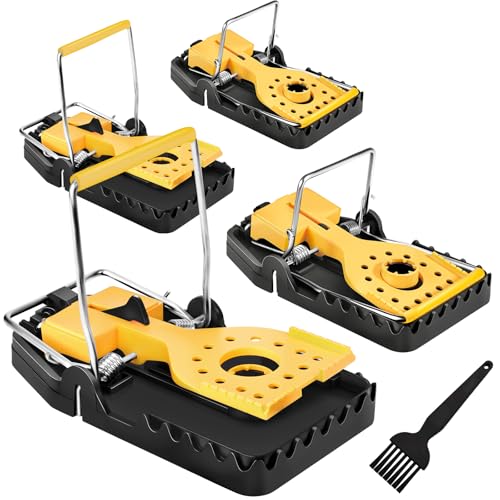
- SAIFXO Rat Traps - 6 x Large Heavy Duty Humane Mouse Trap for Indoors, Outdoor, Gardens -14 cm Reusable Rodent Control Rat Traps T...
- Spider & Insect Killer & Repellent Spray 500ml | Low Odour | Long-Lasting Protection for Indoor & Outdoor Use | Approved for Home ...
- Dynamite Baits Pastura Robin Red Groundbait
- Carp Fishing Hair Rigs Carp Fishing Tackle Sinker Weights Carp Rig Set Up Carp Hooks Corn Bait Catfish Fishing Accessories Gear
- Luroad Carp Fishing Hair Rigs, 20 Pcs Curved Braided Barbless Barbed Carp Hook Anti-Tangle Swivel Braided Thread line with 3 Card ...
Physical Appearance of Pests
Understanding the physical characteristics of common pests can also aid in identification. Ants are typically small and may vary in colour from red to black. Cockroaches have a shiny, oval body and long antennae, with sizes ranging from a couple of centimetres to several. Bed bugs are flat, oval-shaped insects that are brownish in colour and are often found in bedding or furniture. Identifying these physical traits will help you distinguish between different pests more easily.
Using Traps for Identification
Setting traps can be a practical way to identify pest issues in your home. Sticky traps are effective for catching ants and cockroaches, while snap traps can help catch rodents. Place these traps in areas where you suspect pest activity, and regularly check them for signs of capture. The type of pest caught can help you determine the species and the extent of the infestation.
Monitoring the Environment
Pay close attention to your home environment, as it can reveal a lot about potential pest problems. Areas that are moist, such as kitchens and bathrooms, are more susceptible to pests like cockroaches and ants. If you notice any water leaks or damp areas, address these issues promptly to reduce the risk of attracting pests. Additionally, make sure to seal any cracks or crevices where pests might enter your home.
Researching Pest Behaviour
Understanding the behavioural patterns of common household pests can also help in identifying them. For example, ants often follow a trail to food sources, so you might notice a line of ants marching across your kitchen counter. Cockroaches are nocturnal and tend to hide during the day, making it crucial to inspect areas such as cupboards and under appliances during the evening. Learning about these behaviours can make spotting the signs of infestations easier.
Consulting Pest Control Resources
If you are still unsure about the type of pest invading your home, consider consulting pest control resources. Many local councils and pest control companies offer educational materials that can help you identify pests based on images and descriptions. Online forums and websites are also valuable sources of information where you can ask questions and share experiences with others facing similar issues.
Regular Home Inspections
Conducting regular home inspections is vital in identifying potential pest problems before they escalate. Check areas like basements, attics, and storage spaces for signs of pests. Pay attention to signs of damage, such as gnaw marks or unusual stains, which may indicate pest activity. By being proactive with regular checks, you can maintain a pest-free home effectively.